Roof Rats: What Norfolk and Hampton Roads Homeowners Need to Know
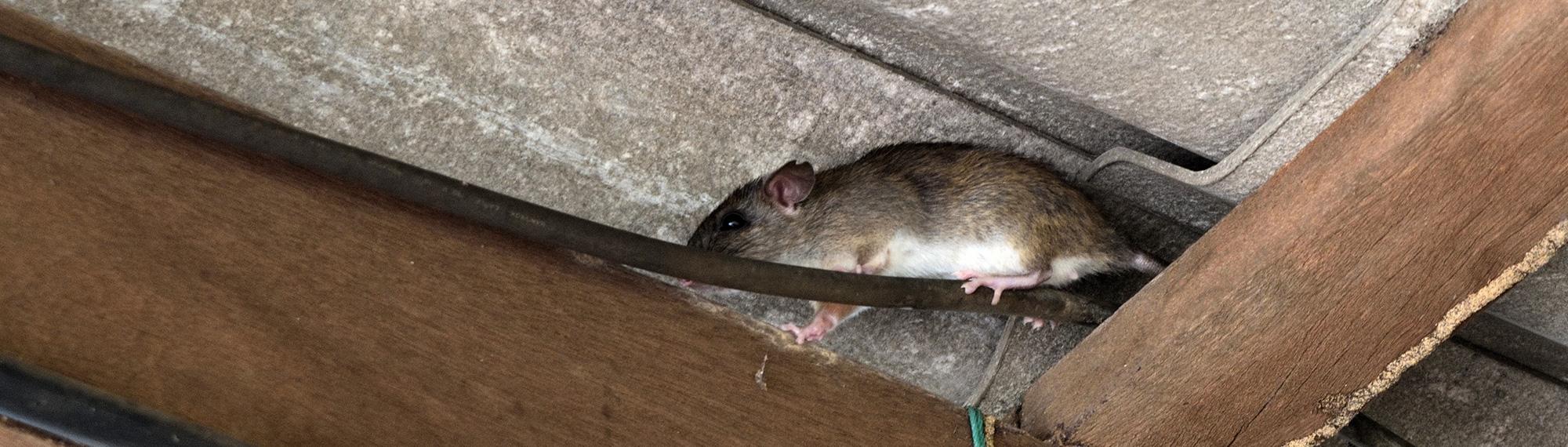
If you live in Norfolk or anywhere in the Hampton Roads area, your home may be at higher risk for roof rat infestations. These agile rodents thrive in coastal and water-rich regions, where mild winters, lush vegetation, and easy access to water sources make it simple for them to find food, shelter, and nesting sites. Roof rats aren’t just a nuisance—they can damage homes, contaminate food, and spread disease. Understanding how to identify, prevent, and safely eliminate them is key to protecting your property and your family.
What Do Roof Rats Look Like?
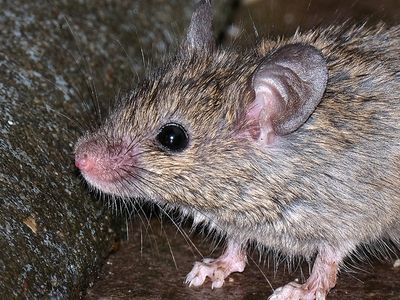
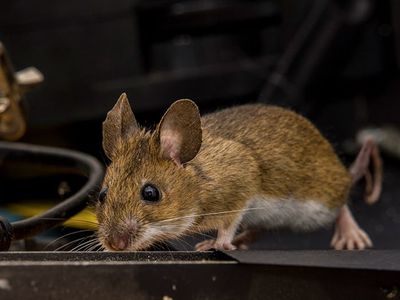
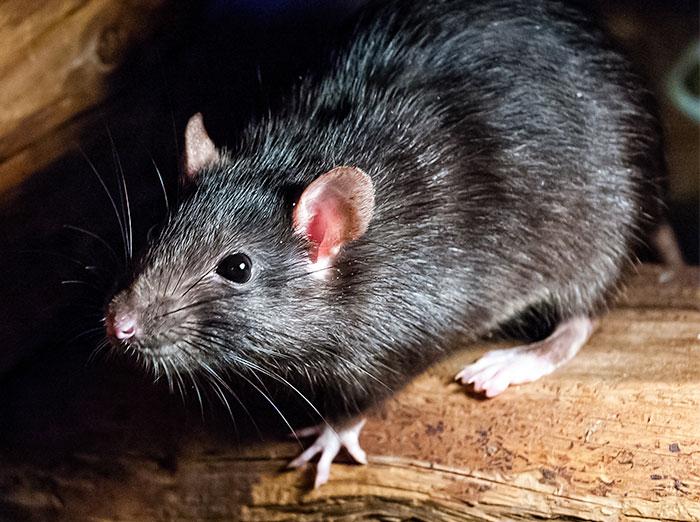
Roof rats, also called black rats or ship rats (Rattus rattus), are slender rodents about 13 inches long from their pointy nose to the tip of their tail. They have smooth, dark brown or black fur and beady eyes. Known for their climbing abilities, they often inhabit attics, ceiling spaces, and upper floors of homes, making them especially challenging to detect.
When are Roof Rats most active?
Why Roof Rats Are a Threat in Hampton Roads Homes
Roof rats pose significant risks to homes (and businesses) and health:
- Structural damage: They gnaw on wood, insulation, and electrical wiring, creating potential fire hazards.
- Contaminated food and surfaces: Roof rats spread disease through droppings and urine, which can spoil food and contaminate kitchen counters and other food prep areas.
- Health risks: They can transmit salmonellosis, rat-bite fever, and other rodent-borne illnesses as well as carry fleas and ticks.
- Property damage: These rodents can damage or destroy building materials and personal belongings.
The coastal, water-rich environment of Hampton Roads provides ideal shelter and food sources; fruit trees, dense shrubs, bird feeders, and pet food left outdoors make homes even more appealing to roof rats.
Signs You Might Have a Roof Rat Problem
Look for these warning signs:
- Seeing live or dead rats, especially in attics, ceilings, or upper floors
- Small, dark droppings shaped like rice grains
- Gnaw marks on wires, wood, or stored items
- Scratching or gnawing sounds in walls or roofs
- Nesting materials such as shredded paper, fabric, or insulation
How Roof Rats Find Your Home
Roof rats tend to inhabit areas where they can easily access food, water, and shelter. Common attractants in Norfolk and Hampton Roads include:
- Overgrown yards or dense landscaping providing cover
- Fruit trees and fallen fruit
- Standing water from leaky pipes, birdbaths, or coastal runoff
- Open containers of pet food or birdseed
- Unsecured trash or compost piles
How to Get Rid of Roof Rats
For effective rodent control in Norfolk and Hampton Roads, contact Getem Services. As a locally owned, family-operated company since 1922, we specialize in:
- Roof rat elimination for homes and businesses
- Attic inspections and entry-point sealing
- Rodent-proofing and exclusion services
- Moisture control solutions
- Ongoing pest control tailored for our region
- Our trained experts utilize proven methods to remove rats and prevent them from returning, giving property owners peace of mind.
Preventing a Roof Rat Infestation
The best defense against roof rats is prevention. Hampton Roads homeowners can reduce the risk by:
- Keeping yards clean, trimming overgrown shrubs, and removing clutter
- Eliminating standing water and fixing leaky pipes
- Storing all food, including pet food and birdseed, in airtight containers
- Sealing cracks, gaps, and holes in the home’s exterior
- Cleaning kitchens, pantries, and food prep areas regularly
- Promptly removing pet waste from yards
Roof Rat FAQs
Can roof rats swim or climb in coastal areas?
Roof rats are excellent climbers and can easily scale trees, fences, and even the sides of homes. While they don’t swim like Norway rats, they are very comfortable navigating Hampton Roads.
How quickly can roof rats infest my home?
Roof rats reproduce rapidly. A single pair can produce dozens of offspring in just a few months. Once they find a food source and shelter in your attic or roofline, infestations can grow quickly if not addressed promptly.
Can I get rid of roof rats on my own?
DIY methods, such as traps and bait, can reduce the numbers but rarely eliminate an infestation. Roof rats are clever and cautious, often avoiding traps. Professional pest control ensures complete removal and prevents re-entry.

Additional Services


Get Help Now!
Request Your Free Quote